Source Waterproof Cotton Hoodies for Work, Travel, and Outdoor Use
Compare 30 waterproof cotton hoodie options from verified suppliers. Buyers can evaluate materials like polyester blends, customization features, and MOQs ranging from 2 to 2000 units for various applications.
Key considerations
Products List


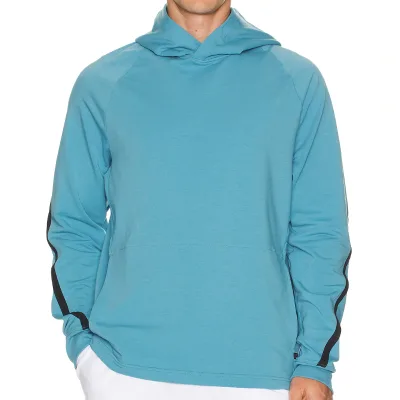


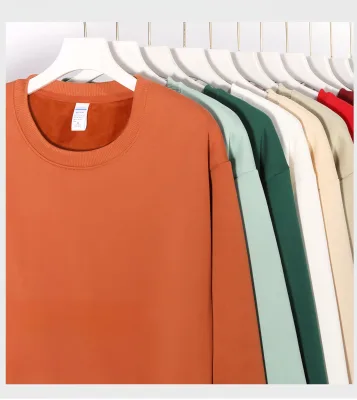


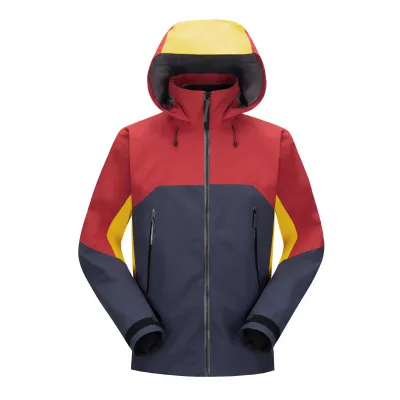
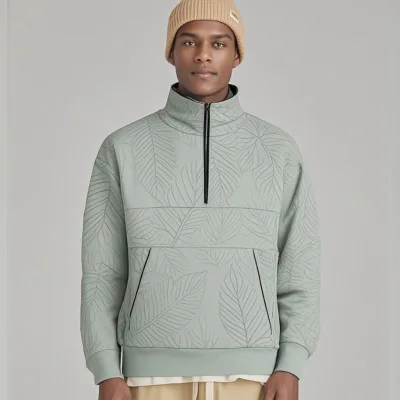
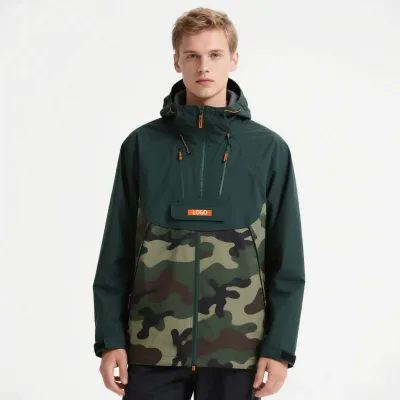


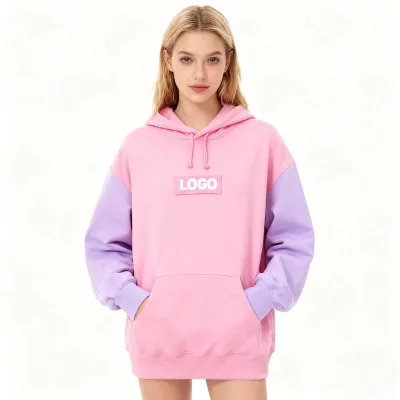
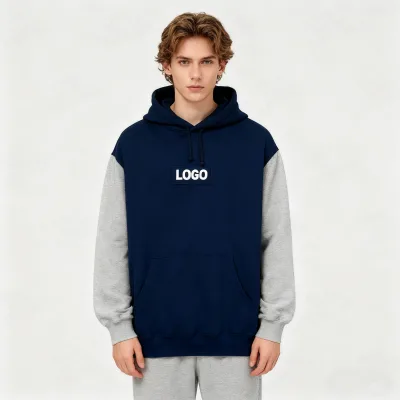


Comprehensive Sourcing Guide
Strategic Sourcing Guide for Waterproof Cotton Hoodies
The global demand for versatile outerwear has elevated the waterproof cotton hoodie from a niche athletic item to a staple in B2B procurement catalogs. For buyers navigating this specific market segment, the intersection of natural fiber comfort and synthetic performance technology presents unique challenges. Sourcing a product that combines the breathability of cotton with the protective qualities of waterproofing requires a disciplined approach to technical verification, supplier capability assessment, and quality assurance. This guide outlines the critical factors procurement professionals must evaluate to secure reliable supply chains for waterproof cotton hoodies, ensuring that the final product meets both functional requirements and brand standards.
Technical Specifications and Material Composition
The foundation of a successful procurement strategy lies in understanding the precise material composition and technical specifications of the product. While the core keyword suggests a blend of cotton and waterproofing, the actual market reality involves complex fabric engineering. High-confidence data indicates that materials for these garments often include pure cotton, pure polyester, or blended compositions such as Polyester/Cotton. The presence of a waterproof attribute alongside a cotton material designation necessitates a specific verification process. Buyers must confirm whether the cotton is treated with a durable water repellent (DWR) coating or if the garment utilizes a laminated membrane that is breathable yet impermeable to water.
Fabric weight is another critical specification that directly influences the garment's performance and feel. Observed data reveals a wide range of fabric weights, spanning from 180 grams to 450 grams. Lighter weights, such as 180 to 250 grams, typically offer better breathability and are suitable for active wear or layering, while heavier weights, exceeding 350 grams, provide more substantial protection against wind and rain but may reduce mobility. The fabric type is frequently identified as Jersey, which offers a soft hand feel, but the specific weave and treatment determine the final waterproof efficacy.
Closure types and pocket configurations also play a vital role in the functional design. Specifications show that zipper closures are common, often paired with side pockets. The presence of adjustable ties and fixed hood types suggests a design focused on wind protection and fit customization. Buyers should verify the quality of the zipper hardware and the durability of the stitching around the hood and pockets, as these are common failure points in water-resistant garments. Additionally, the pattern type, ranging from solid and plain to striped, and the customization options for logos and embroidery must be aligned with the brand's aesthetic requirements.
Compliance, Certification, and Standard Verification
In the B2B apparel sector, compliance and certification are not merely optional add-ons but essential prerequisites for market access and brand integrity. While specific certification statuses like GOTS may appear in background data, buyers cannot assume a supplier possesses these credentials without direct verification. The procurement process must include a rigorous audit of the supplier's ability to meet international standards for water resistance and textile safety.
The "Standard size" and "Customized" standards observed in product listings indicate that sizing can vary significantly between suppliers. Buyers must establish a clear sizing matrix that aligns with their target demographic, whether it be men's specific fits or children's models. The "Standard size" designation often implies adherence to a regional sizing chart, but for international distribution, a detailed size guide with specific measurements for chest, length, and sleeve is mandatory. Furthermore, the "35455" dimension mentioned in some contexts likely refers to packaging or specific product dimensions, which must be cross-referenced with logistics requirements.
Regarding environmental and safety compliance, buyers should request documentation for chemical restrictions, such as REACH or CPSIA, depending on the destination market. The presence of "OEM" and "ODM" supply types suggests that suppliers may offer varying levels of design control. If the buyer opts for OEM, they must ensure the supplier can replicate their specific waterproofing standards without compromising the fabric's integrity. For ODM arrangements, the buyer must verify that the base product meets the necessary waterproof performance thresholds before customization.
Cost Drivers and Pricing Dynamics
Understanding the cost structure of waterproof cotton hoodies is essential for budgeting and margin analysis. The observed price range of 0.5 to 56 USD reflects a vast disparity in product quality, material composition, and order volume. This wide spectrum indicates that price is heavily influenced by the complexity of the waterproofing technology, the quality of the cotton or polyester blend, and the level of customization required.
Minimum Order Quantity (MOQ) is a primary driver of unit cost. Data shows MOQs ranging from as low as 2 units to as high as 10,000 units. Suppliers with higher MOQs, such as the 10,000-unit threshold, often offer lower per-unit costs due to economies of scale in fabric sourcing and production line efficiency. Conversely, suppliers with lower MOQs, such as 500 units, cater to smaller brands or trial runs but command a higher price point to cover setup costs. Buyers must balance their inventory needs with their cash flow constraints to determine the optimal MOQ.
Additional cost factors include the technical methods employed, such as embroidery, printing, and washing processes. The list of techniques includes "Discharge Printing," "Puff Printing," "3D Embroidery," and various dyeing methods like "Tie-dye" and "Garment Dyed." Each of these processes adds labor and material costs. For instance, "Puff Print" and "3D Embroidery" require specialized machinery and skilled labor, increasing the production cost compared to standard screen printing. The "Fabric Weight" also impacts cost, as heavier fabrics consume more raw material. Buyers should request a detailed cost breakdown that isolates material, labor, and finishing costs to negotiate effectively.
Typical Applications and Market Segmentation
The versatility of waterproof cotton hoodies allows them to serve diverse market segments, from outdoor recreation to corporate branding. The observed attributes, such as "Men," "Children's Hoodie," and "Pullover" styles, indicate a broad application base. In the outdoor sector, these garments are utilized for hiking, camping, and casual rain protection, where the combination of cotton comfort and water resistance is highly valued. The "Autumn" season specification suggests a strong seasonal demand, particularly in temperate climates where rain is frequent but temperatures are not extreme.
Corporate and promotional markets also represent a significant application area. The availability of "Custom" logos and "OEM" services makes these hoodies ideal for branded merchandise, team uniforms, and corporate gifts. The "Logo position: Front" and "Custom" attributes highlight the importance of branding opportunities. Buyers targeting this segment must ensure that the customization process does not compromise the waterproofing of the fabric, as some printing inks or heat treatments can interfere with water-repellent coatings.
The "Regular Fit" and "Regular Length" specifications suggest a mainstream appeal suitable for general retail. However, the presence of "Adjustable Ties" and "Hooded" collars indicates a design focus on functionality. Buyers should consider the end-user's environment when selecting the specific model. For example, a hoodie intended for high-intensity sports may require a lighter fabric weight and more breathable waterproofing, while a garment for casual urban wear might prioritize a heavier weight and a more structured fit.
Supplier Evaluation and Production Capabilities
Selecting the right supplier is a critical step in the procurement process. The data indicates that suppliers are located primarily in China, with specific mentions of "Guangdong, China" as a production hub. This region is known for its robust textile infrastructure and experience in garment manufacturing. However, buyers must look beyond location and assess the supplier's technical capabilities and production flexibility.
Key evaluation criteria include the supplier's ability to handle the specific "Technics" required, such as "Embroidered," "Printed," or "Washed" finishes. The extensive list of techniques suggests that some suppliers may have specialized departments for different processes, while others may outsource certain steps. Buyers should verify the supplier's in-house capabilities to ensure quality control throughout the production cycle. The "Supply Type: Odm" and "OEM: Yes" attributes indicate that suppliers offer different levels of service, and buyers must clarify the scope of work to avoid misunderstandings.
Lead times and sample support are also crucial factors. The data mentions "7 days sample order lead time: Support," which is a positive indicator for rapid prototyping. However, buyers should confirm the lead time for bulk production, as this can vary significantly based on order volume and complexity. The "prod_packing" methods, ranging from "by Sea by Air" to "One Piece/Set Per OPP," highlight the need for clear packaging specifications to prevent damage during transit. Buyers should ensure that the packaging is robust enough to protect the waterproof coating and that it aligns with their sustainability goals.
Quality Control and Long-Term Procurement Considerations
Maintaining consistent quality is paramount in the apparel industry, especially for functional garments like waterproof hoodies. Quality control measures should begin at the raw material stage, verifying the fabric weight and water resistance properties before production begins. During production, regular inspections should be conducted to check for defects in stitching, zipper functionality, and the integrity of the waterproof coating. The "Single gross weight: 0.500 kg" and "Single package size: 50X30X1 cm" data points provide benchmarks for packaging consistency, which can be used to detect deviations in production.
Long-term procurement considerations involve building a sustainable relationship with suppliers. This includes establishing clear communication channels, agreeing on quality standards, and implementing a feedback loop for continuous improvement. Buyers should also consider the environmental impact of their procurement decisions, seeking suppliers who adhere to responsible manufacturing practices. The "Standard size" and "Customized" options allow for flexibility, but buyers must ensure that any customization does not compromise the product's core functionality.
Finally, buyers should plan for scalability. As demand grows, the ability to increase production volume without sacrificing quality is essential. Suppliers with high MOQs may offer better pricing, but buyers must ensure they have the market demand to justify such volumes. Conversely, suppliers with lower MOQs may be more suitable for testing new designs or entering new markets. By carefully evaluating these factors, buyers can build a resilient supply chain that delivers high-quality waterproof cotton hoodies consistently.
Comparative Analysis of Product Attributes
To facilitate decision-making, the following table summarizes key attributes observed in the market for waterproof cotton hoodies. This comparison helps buyers identify the range of options available and the specific features that may align with their procurement needs.
| Attribute Category | Observed Options | Procurement Implication |
|---|---|---|
| Material Composition | Cotton, Polyester, Polyester/Cotton | Verify blend ratios for breathability vs. durability. |
| Fabric Weight | 180g to 450g | Heavier weights offer more protection; lighter weights offer better mobility. |
| Waterproof Feature | Waterproof (Attribute) | Confirm coating type and durability through testing. |
| MOQ Range | 2 to 10,000 units | Lower MOQs suit startups; higher MOQs reduce unit cost. |
| Customization | Logo, Pattern, Size, Color | Ensure customization methods do not compromise waterproofing. |
| Packing | OPP Bag, Polybag, Sea/Air | Select packaging that protects the product during transit. |
| Origin | China (Guangdong) | Verify logistics costs and lead times from this region. |
| Technics | Embroidered, Printed, Washed, etc. | Match technique to brand aesthetic and budget constraints. |
By adhering to these guidelines and leveraging the observed data, buyers can navigate the complex landscape of waterproof cotton hoodie sourcing with confidence, ensuring that their procurement decisions are grounded in factual evidence and strategic foresight.
FAQs
What materials are used for waterproof cotton hoodies?
Materials often include pure cotton, pure polyester, or blends like Polyester/Cotton. Buyers must verify if the cotton is treated with a durable water repellent coating or uses a laminated membrane for waterproofing.
Can I find hoodies with adjustable ties and fixed hoods?
Yes, adjustable ties and fixed hood types are common attributes in this category. These features focus on wind protection and fit customization, often paired with zipper closures and side pockets.
What is the typical fabric weight range for these garments?
Fabric weights range from 180 grams to 450 grams depending on the specific product. Lighter weights suit active wear while heavier options provide more substantial protection against wind and rain.
How does the minimum order quantity affect the unit price?
MOQs range from 2 to 10,000 units, significantly impacting the per-unit cost. Higher volume orders often yield lower prices due to economies of scale, while smaller runs command higher rates.
Which customization options are available for logos and patterns?
Custom logos and embroidery are available with options for solid, plain, or striped patterns. Buyers can specify logo positions, such as the front, and choose from various printing and embroidery techniques.
Where are the primary manufacturing locations for these products?
Suppliers are primarily located in China, with specific hubs in Guangdong. Buyers should verify the specific origin and production capabilities to ensure alignment with their sourcing requirements.
What packaging methods are used for shipping these hoodies?
Packaging varies from individual polybags to OPP bags and bulk sea or air shipments. Specifications like 50X30X1 cm single package sizes help determine logistics and protection needs during transit.